
Efficient and Effective Drone Weed Spraying Services for Agriculture
By:Admin
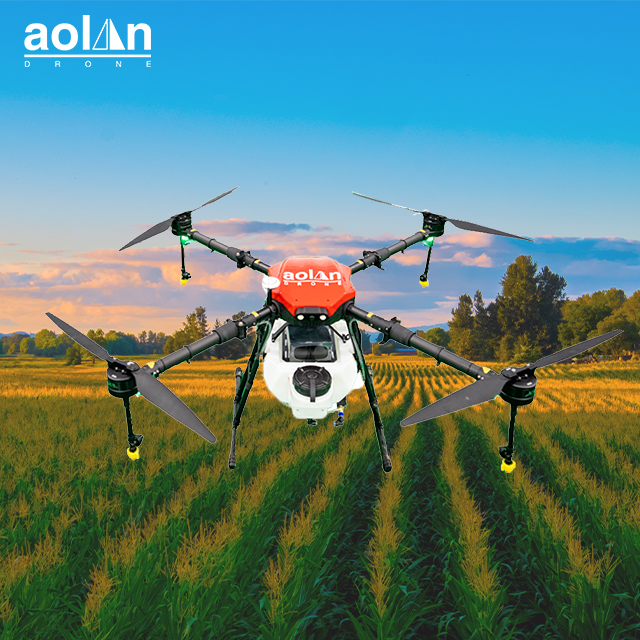
The agricultural sector has seen a significant shift in recent years with the introduction of cutting-edge technology that aims to improve efficiency and productivity. One such innovation that has garnered widespread attention is the use of drones for weed spraying. Companies like {Company Name} have been at the forefront of this technological revolution, offering state-of-the-art drone systems that are revolutionizing the way farmers manage their crops.
{Company Name} has been a trailblazer in the drone industry, with a strong focus on developing advanced solutions for the agricultural sector. Their expertise in drone technology has led to the creation of innovative products that are tailored to meet the specific needs of farmers. With a deep understanding of the challenges faced by the agricultural industry, {Company Name} has been able to develop drone systems that not only address these challenges but also provide a sustainable and effective solution.
The use of drones for weed spraying has numerous advantages over traditional methods. By utilizing drones, farmers can accurately target and spray weeds, minimizing the amount of chemical used and reducing the risk of over-spraying. This not only leads to cost savings but also ensures that the environment is protected from unnecessary chemical exposure. Additionally, the use of drones allows for more precise and efficient weed management, ultimately leading to improved crop yields.
{Company Name}'s drone systems are equipped with advanced technology that enables them to autonomously navigate fields, identify weeds, and apply the appropriate amount of herbicide with precision. The drones are also equipped with sensors and cameras that provide real-time data and insights, allowing farmers to make informed decisions about weed management. This level of automation and intelligence simplifies the weed spraying process, making it more efficient and less labor-intensive for farmers.
One of the key benefits of using drones for weed spraying is the ability to cover large areas in a relatively short amount of time. Traditional methods of weed spraying often require significant manpower and time, whereas drones can cover acres of land in a fraction of the time. This not only increases productivity but also allows farmers to attend to other essential tasks, ultimately leading to improved operational efficiency.
Furthermore, the use of drones for weed spraying also has a positive impact on the overall health of the crops. By effectively managing weeds, farmers can ensure that their crops have access to the necessary nutrients and sunlight, leading to healthier and more robust plants. This, in turn, leads to improved crop quality and ultimately higher yields.
In addition to the immediate benefits of using drones for weed spraying, there are also long-term advantages associated with this technology. By reducing the reliance on manual labor and minimizing the use of chemical inputs, farmers can contribute to more sustainable agricultural practices. This not only benefits the environment but also aligns with the growing consumer demand for sustainably produced food.
{Company Name} has been instrumental in driving the adoption of drone technology in agriculture, providing farmers with the tools they need to improve their operations and stay ahead in an increasingly competitive industry. Their commitment to innovation and excellence has positioned them as a leader in the agricultural drone market, and their dedication to providing farmers with high-quality solutions has earned them a strong reputation in the industry.
As the agricultural sector continues to evolve, the use of drones for weed spraying is expected to become increasingly prevalent. With its numerous benefits and potential for improving agricultural practices, this technology has the potential to revolutionize the way farmers manage their crops. {Company Name} remains at the forefront of this revolution, continuing to develop cutting-edge drone systems that are set to shape the future of agriculture.